
US Pressure on Greenland
US pressure on Greenland refers to the expanding American military, diplomatic, and strategic influence over the Arctic territory, an approach critics argue threatens Greenland’s sovereignty, environmental stability, and Indigenous self-governance.
As Arctic competition intensifies, Washington increasingly frames Greenland as a critical security location. However, Greenlandic leaders and policy analysts warn that this perspective risks turning cooperation into coercion, raising alarms across the Arctic region.
Rather than strengthening stability, critics say US pressure on Greenland may be fueling long-term political and environmental risks that could ultimately harm both Greenland and US strategic interests.
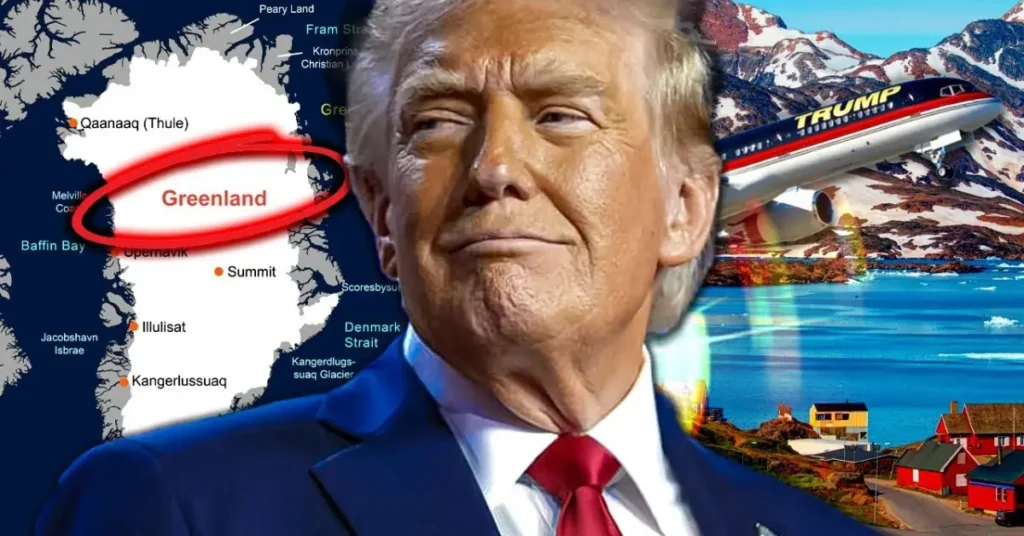
Greenland Is Not a US Asset
Greenland is an autonomous territory within the Kingdom of Denmark, governed by its own elected parliament and home to a predominantly Inuit population. While the United States maintains close diplomatic and defense ties with Denmark, Greenland is not US territory.
Despite this, American political rhetoric has at times described Greenland as a “strategic asset.” Greenland’s leaders have repeatedly rejected such framing, emphasizing that Greenland is not for sale and should not be treated as an extension of US foreign policy goals.
From a Greenlandic perspective, this language reflects a power imbalance that ignores democratic self-rule and local decision-making.
Is Greenland Controlled by the United States?
No. Greenland is not controlled, owned, or governed by the United States.
The US operates military facilities in Greenland with Danish approval, but political authority remains with Greenland’s autonomous government.
Even so, perceptions of American overreach continue to strain trust and raise sovereignty concerns.
US Military Presence in Greenland and Local Concerns
The United States operates Pituffik Space Base in northwest Greenland, a key installation for missile warning and space surveillance. While its strategic role is acknowledged, Greenlanders have expressed concern over expanding US military activity.
Key concerns include:
- Environmental impact on fragile Arctic ecosystems
- Limited consultation with Greenland’s government
- Increased geopolitical tension involving global powers
For many residents, the fear is not defense cooperation but becoming a frontline territory in Arctic geopolitics without meaningful consent.

Environmental Risks Linked to US Strategic Interests
Greenland is one of the most environmentally sensitive regions in the world. Climate change is already accelerating ice loss, threatening global sea levels and Arctic biodiversity.
Critics argue that expanded US military infrastructure may worsen these risks by:
- Disrupting wildlife habitats
- Increasing pollution from fuel storage and operations
- Weakening long-term environmental sustainability
Past US military activity left behind abandoned infrastructure and contamination, shaping continued skepticism toward deeper American involvement.
Greenland Sovereignty and Diplomatic Pressure
Greenland’s small population and limited economic base create a power imbalance in its relationships with global actors. Analysts argue that US influence is often exerted through:
- Security-driven diplomacy
- Conditional investment and development promises
- Strategic narratives focused on American defense priorities
From Greenland’s perspective, such pressure risks limiting genuine self-determination and turning partnership into dependency.
The Ownership Narrative and Its Consequences
Public US discussions about acquiring Greenland caused lasting diplomatic fallout. Although American officials later reaffirmed respect for Greenland’s autonomy, the episode reinforced local fears.
Many Greenlanders concluded that:
- US strategic interests outweigh respect for sovereignty
- Greenland is viewed as territory rather than a people
- Indigenous voices are marginalized in global decision-making
These perceptions continue to fuel resistance to expanded US involvement, even when cooperation could offer mutual benefits.
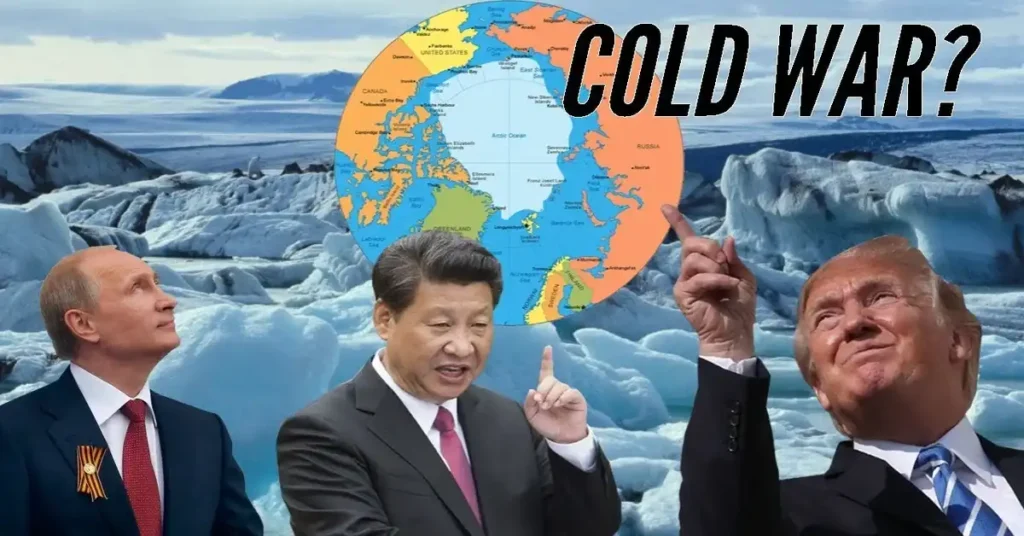
Arctic Geopolitics: Stability or Escalation?
Supporters of US involvement argue it strengthens Arctic security and deters rival powers. Critics counter that aggressive positioning risks escalating tensions rather than preventing them.
Greenland faces the risk of becoming:
- A geopolitical bargaining chip
- A militarized buffer zone
- A future target in global conflicts
Greenlandic leaders consistently advocate for the Arctic to remain a region of cooperation, scientific research, and environmental protection not confrontation.
Indigenous Rights and Democratic Accountability
At the heart of the Greenland US controversy is a fundamental issue: who decides Greenland’s future?
Greenland’s Inuit majority has long pursued recognition, autonomy, and control over natural resources. Critics argue US strategic planning often prioritizes military and security goals over:
- Indigenous land rights
- Environmental consent
- Democratic accountability
Without inclusive consultation, US pressure risks reinforcing historical patterns of external control Greenlanders have worked decades to overcome.
Why This Matters to the United States
From a US perspective, mismanaging Greenland relations carries real consequences:
- Damage to America’s international credibility
- Strained relations with Arctic allies
- Growing resistance from Greenland’s government
- Long-term instability in the Arctic
In an era where leadership is measured by respect for sovereignty and human rights, policy missteps in Greenland could undermine broader US foreign policy objectives.
A Different Path Forward
Policy experts argue the United States should recalibrate its approach by prioritizing:
- Equal partnership instead of strategic dominance
- Environmental responsibility
- Indigenous participation in decision-making
- Transparency in military and economic activities
Such a strategy could rebuild trust while addressing legitimate security and climate concerns.
What Comes Next
Greenland’s strategic importance does not justify coercion, pressure, or ownership narratives. While the United States has valid interests in Arctic security and climate research, how those interests are pursued matters.
If Washington continues to frame Greenland primarily as a strategic object, it risks alienating the very people whose cooperation is essential for long-term stability. Respecting Greenland’s autonomy is not just an ethical obligation, it is a strategic necessity.